Understanding High Blood Pressure: Causes, Symptoms & How to Prevent It Naturally
With the changing lifestyle and increasing stress levels, blood pressure fluctuations have become one of the pressing concerns. It not only affects us physically but causes mental ailments; it can even cause irreversible damage to the brain. As dangerous as it sounds, blood pressure fluctuations can be easily identified and mitigated in the early stages. This makes understanding high blood pressure and its early warning signs extremely important for maintaining long-term cardiovascular health.
It starts with hypertension-the serial killer. But most of the patients don’t realize their repercussion until it's too late. Many people start with BP medications as their first response, but not everyone knows it can be easily controlled with natural treatments and natural ways to lower blood pressure. In this article, we will be talking more about the early signs of high BP, some common causes of hypertension, and the best way to prevent it naturally from occurring while maintaining a healthy blood pressure range.
What is High Blood Pressure?
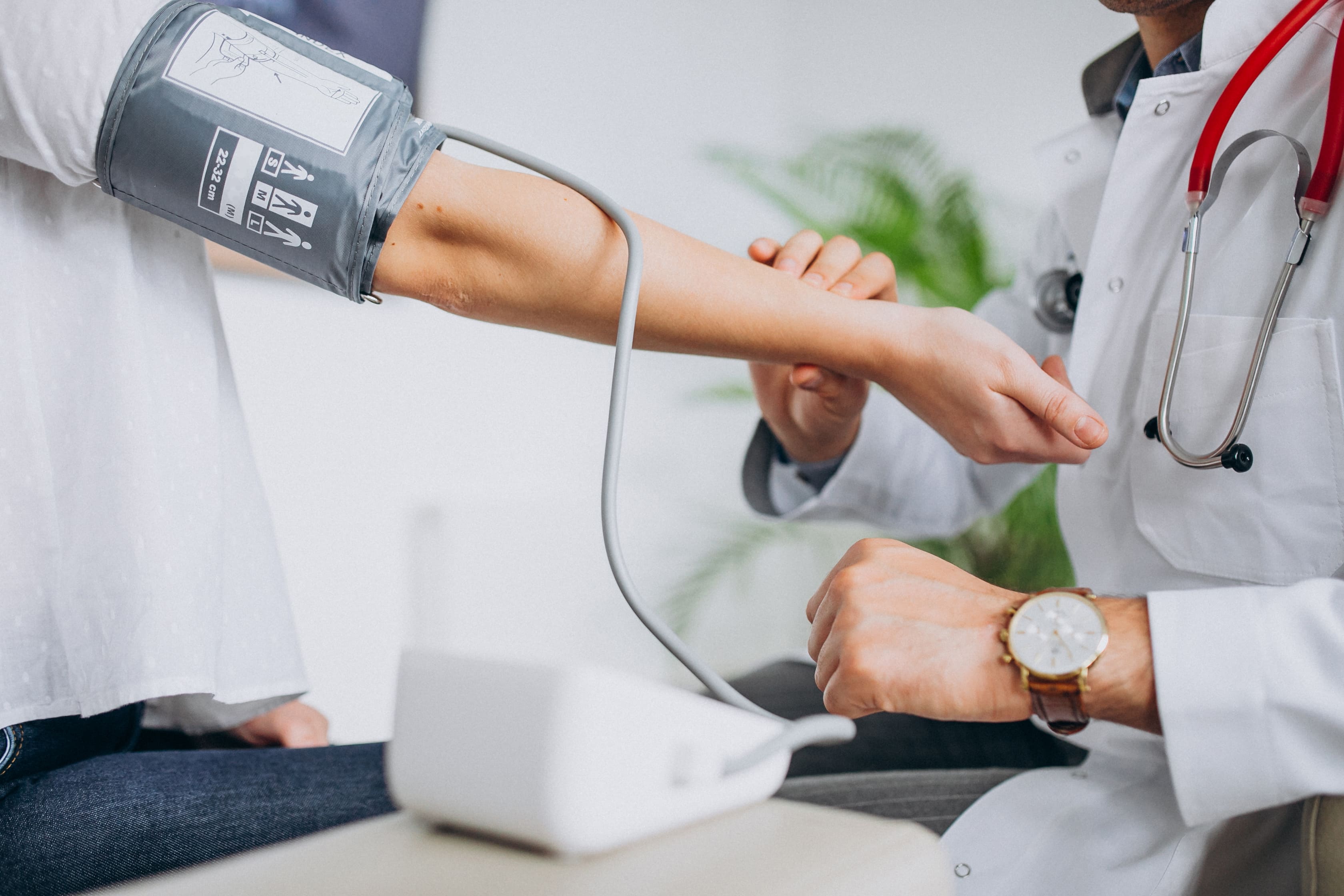
Blood Pressure is the force of your blood pushing against the arteries as your heart pumps it through your body. It is generally 120/80, measured in millimeters of mercury (mmHg). The upper limit is known as ‘Systolic’, the pressure when your heart beats and actively pumps blood out. And then lower limit ‘Diastolic’, which shows the pressure when your heart rests; it uses that time to refill in between. These systolic and diastolic pressure levels help doctors determine whether a person has high blood pressure or normal blood pressure levels.
Understanding the Ranges
Below is the general table followed worldwide. It is as per the American Heart Association and other health organizations, for a general adult;
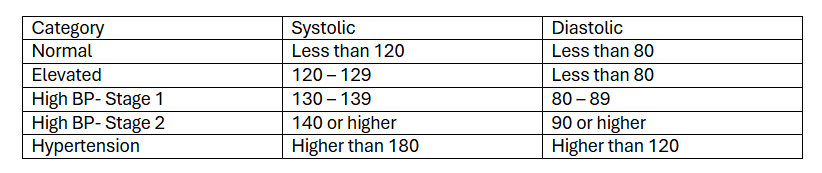
You can refer to this chart to find out if you have high Blood pressure or not. But your blood pressure naturally changes throughout the day based on your activity, stress, and sleep. Doctors typically look at an average of several readings before making a diagnosis of hypertension or abnormal blood pressure levels.
What are the Reasons for High Blood Pressure?
High BP generally develops gradually over time and is a result of poor lifestyle choices and other factors that one cannot control. Here we have discussed theses reasons in detail as common risk factors for hypertension;
Lifestyle Choices
In today’s hustling world of 9-5, we often forget the need to put our health first. We all live such a stressed life that often monitoring it becomes a task. The below-mentioned reasons are some of the lifestyle causes of high blood pressure that add to the problem of rise in BP.
Consuming too much salt can increase the sodium levels. This can make your body retain fluids and increase the pressure. Lack of physical activity and living a sedentary life can lead to hypertension and poor blood circulation and cardiovascular health. Unhealthy diet and Obesity can also contribute to this issue. Smoking/consuming alcohol / vaping immediately raises blood pressure and damages artery walls over time.
Genetic Factors
There are certain factors which cannot be changed or modified. However, they can be regulated, these are; With increasing age, the blood vessels thicken and lose elasticity. Family history also plays a huge role in determining whether or not you will have high BP levels.
Increasing stress levels and mental health issues, are one of the main culprits of rise and fluctuations in Blood pressure levels and contribute to hypertension symptoms and heart disease risk.
Medical Conditions
High blood pressure can be caused due to an underlying medical condition as well. Kidney diseases, Sleep Apnea, Hormonal/Thyroid Problems, Diabetes, certain medications are the main causes leading to high fluctuating blood pressure levels and long-term hypertension management challenges.
What are the Symptoms of High Blood Pressure?
High BP is famously known as the ‘Silent Killer’ because it has no visible symptoms. However, when it reaches high levels, some warning signs may appear. These hypertension symptoms are often ignored in the early stages. Some of the early signs are seen in; Pounding headaches, Blurry vision, tightness or pain in the chest, dizziness, frequent nosebleeds, strong throbbing pulse, and nausea is commonly seen in the patients who suffer from a high BP.
You should seek immediate medical help once these early symptoms change into warning signs. These include;
Anxiety, stress, or lack of concentration in an individual.
Weakness or sudden facial droop in one part of the body.
Unresponsiveness or seizures.
Blood in urine is also an issue that needs immediate healthcare attention.
The only sure way to know that your BP is in checks is to get the levels regularly monitored and follow proper blood pressure control tips. In case of any unwanted signs, consult a doctor at once.
Ways to Control High BP Naturally
It is possible to control BP fluctuations naturally at home. Here is the guide that you can use to fight against it and follow natural remedies for hypertension.
The DASH diet
The DASH or (Dietary Approaches to Stop Hypertension) is a diet specifically meant to control hypertension and keep blood pressure in moderation. It focuses mostly on fruits, vegetables, magnesium, and calcium-rich foods. Limit the Red meat, sweets, and sugar-sweetened beverages. It is widely considered one of the best diets for high blood pressure.
Reduce Salt intake
We know how excess salt intake can change the way our body behaves. Reducing sodium percentage can instantly make difference in the Blood pressure levels. Start by reading the food labels and putting a limit on the daily salt intake to maintain a healthy heart and stable blood pressure levels.
Exercise-the non-negotiable
High BP or not, exercise is the biggest non-negotiable for everyone. It not only helps the body stay in shape but helps in staying away from issues like hypertension. If your body doesn’t allow for straining HIIT activities, start with slow walks and jogging as regular physical activity helps reduce blood pressure naturally.
Reduce stress
Stress level is directly proportional to the rise in BP; one thing leads to the other and vice-a-versa. Practice stress management techniques like yoga, meditation, or deep breathing. Take a good sleep and make sure to regulate your stress hormones by some mindfulness activity and stress management techniques that support heart health.
Monitor your diet
Increase the consumption of whole foods, fruits, and green veggies in your diet. Limit alcohol intake and smoking. Say no to excessive sugars or salt intake while focusing on healthy lifestyle habits for managing hypertension naturally.
FAQs
Does Coffee or alcohol affect Blood Pressure?
Coffee can cause a temporary spike in blood pressure, but alcohol contributes to the rise in BP and may even lead to long-term illness related to high blood pressure and cardiovascular health.
What are the risk factors associated with high BP?
Some of the common risks with increase in BP levels are; high-salt diet, lack of physical activity, being overweight, excessive alcohol consumption, and smoking, which are major risk factors for hypertension.
What is Systolic and Diastolic number?
Systolic and Diastolic numbers are the top and lower range of blood pressure. A normal reading is between 120/80 mmHg and represents a healthy blood pressure range.
Why is high BP commonly known as the silent killer?
High BP is commonly known as the silent killer because the early signs cannot be identified easily and many hypertension symptoms remain unnoticed.
How can I lower my BP naturally?
You can naturally lower your BP through; regular exercise, lowering the salt intake, stress management, and weight and diet control, which are considered the most effective natural ways to lower blood pressure.