
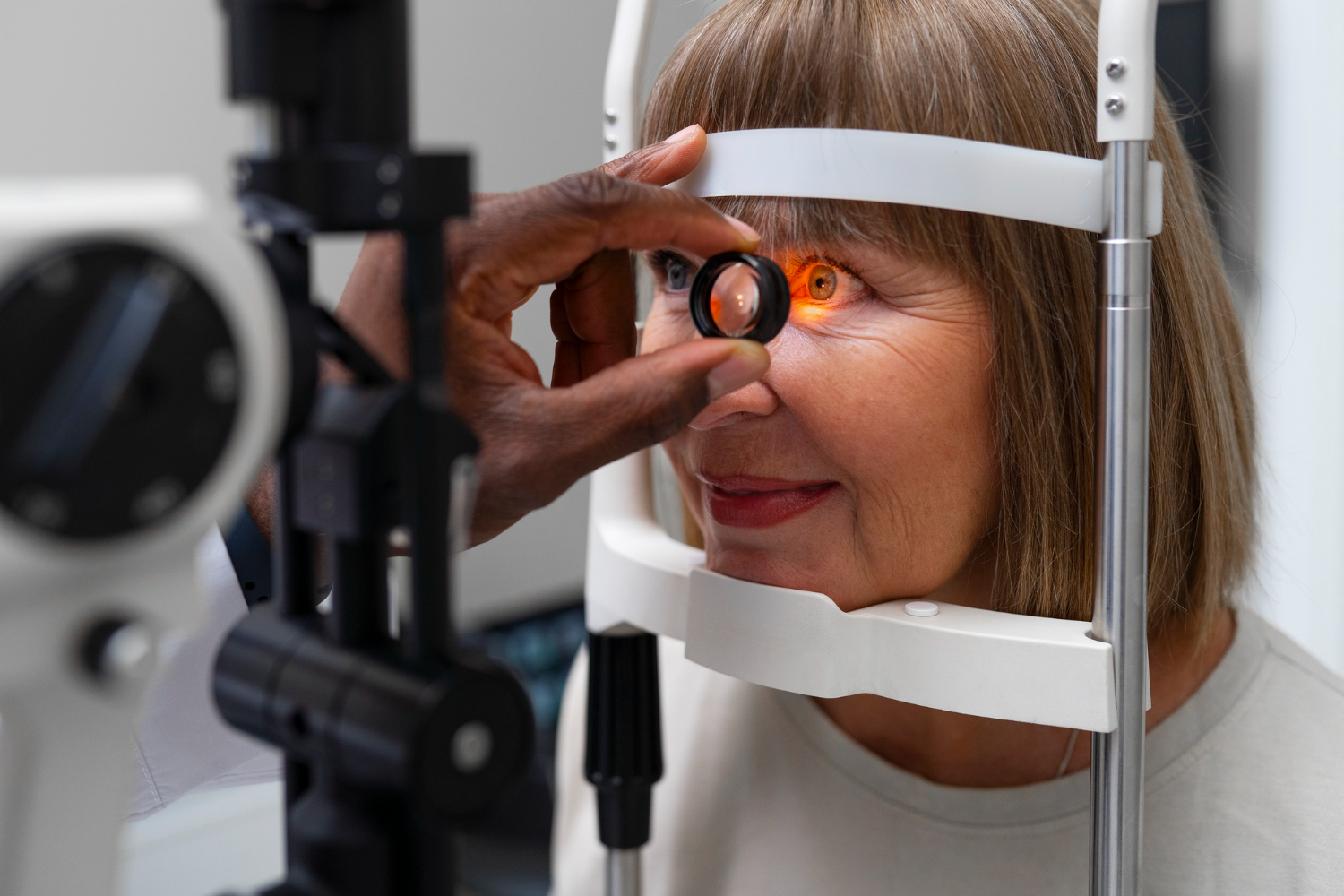
Cataract vs Glaucoma: Key Differences and Risk Factors
Your eyes help you see and experience things. But the problem is when you face any eye problem, the cause may not be clear. Vision changes happen quietly. You may notice things looking slightly dull. Or night driving feels harder than before. Most people ignore it and move on.
This is where cataract and glaucoma come in. They are often spoken about together. This is why many people think they are same. But that is not true. One affects clarity. The other affects vision in a deeper, more serious way. Many people realise the difference only when damage has already begun.
Knowing the difference can help a great deal. By doing so, you will be better able to understand the problem. This will help with timely treatment and recovery. So, read this guide to know what exactly these two problems here. Know their causes, symptoms, and solutions as well.
What Is Cataract?
It is a common condition that impact your eye lens. This lens is the one that helps focus on light to help you see clearly. When it becomes cloudy, you will face problems with vision. This is a common condition with senior citizens. When it loses clarity, vision slowly turns blurred or dull.
Cataract usually develops over time. In the early stage, many people do not feel a strong impact. But as its starts to grow, people will find it hard to do simple things. Reading, driving, or even cooking will be difficult. The vision slowly starts to blur. With time, people will find it hard to recognize things. Timely treatment can easily cure the condition.
For the treatment, an artificial lens is used. It replaces the cloudy lens in your eyes and helps with the fixing of the vision. This is a minor procedure. It usually takes a couple of hours for treatment. The recovery may vary but is usually 7-15 days.
Causes
Natural ageing of the eye lens over time
Years of direct sun exposure without eye protection
Long-term diabetes affecting eye health
Impact or high stress on your eyes
Injury or trauma to the eye in the past
Continuous use of steroid medicines
Eye surgery done earlier in life
Symptoms
Cloudy or dull vision making hard to see things
Difficulty to see things properly in night or in low light
Discomfort or glare in bright sunlight or headlights
Colours looking faded or less vibrant
Seeing double in one eye
Needing frequent changes in glasses or lens power
Risk Factors
Growing older, especially after middle age
Having diabetes or other such health problems
Spending long hours outdoors without UV protection
Smoking habits over many years
Family history of cataract
Long-term medication use affecting the eyes
Diagnosis
Eye test to check clarity and sharpness of vision
Detailed lens examination by an eye specialist
Light-based tests to detect lens clouding
Retinal examination to rule out other vision problems
Treatment
Updated spectacles to manage early vision changes
Better lighting and anti-glare support for daily comfort
Cataract surgery when vision begins affecting routine life
What Is Glaucoma?
This is a condition that impacts your eye vision. This is one that is linked with the optic nerve of the eye. This nerve sends the visual signals to your brain. So, when this nerve is damaged, sending signals becomes hard. This leads to blurring of the vision. Slowly the visibility starts reducing.
This condition is normally linked to pressure in your eyes. It usually develops slowly and without notice. Many people do not notice symptoms. These are seen only when the vision loss starts. One of the most important things to know is that its damage cannot be reversed. But if this detected early, then with the right treatment the effects can be slowed down.
Causes
Increased pressure inside the eye
Poor drainage of eye fluid
Damage to the optic nerve over time
Reduced blood flow to the eye
Long-term use of steroid medicines
Past eye injury or infection
Symptoms
Gradual loss of side vision
Tunnel vision in later stages
Difficulty adjusting to low light
Seeing halos around lights
Eye pain or headache in some cases
Sudden vision loss in rare cases
Risk Factors
Age above 40
Family history of glaucoma
Diabetes or high blood pressure
Long-term steroid medication use
Previous eye injury or surgery
High eye pressure
Diagnosis
Eye pressure test
Optic nerve examination
Visual field test to check side vision
Eye drainage angle examination
Regular eye checkups for monitoring
Treatment
Eye drops to control eye pressure
Oral medicines in some cases
Laser treatment to improve fluid drainage
Surgery if the condition is in advanced stage
Cataract vs Glaucoma: Key Differences
Cataract and glaucoma both affect vision. This is true. But what you need to know is how do they affect it. This is where the real difference between these two conditions lies. Knowing this will help you get the right treatment on time. This will also help you avoid any adverse impacts. So, here are the differences to know:
1. How the Eye Is Affected
Cataract is the condition that affects the lens in your eyes. On the other hand, Glaucoma impacts on the optic nerves.
2. How Vision Changes
When you have Cataract, you will find the vision is cloudy. It will make it difficult to recognize things. But with the Glaucoma, you will start lossing your side vision. It will impact your visibility.
3. When Symptoms Appear
Cataract symptoms are usually noticed early. This allows you to have timely treatment and cure. Glaucoma often shows no early symptoms. This makes it really hard to identify.
4. Can Vision Be Restored
Cataract-related vision loss can be corrected. This is usually with the help of a small procedure. Glaucoma-related vision loss cannot be reversed. But it is managed with treatment.
5. Nature of Treatment
Cataract usually needs surgery once. Glaucoma needs ongoing treatment and monitoring.
6. Risk if Ignored
Cataract worsens vision quality over time. But the good thing is that you can get treatment. Glaucoma can lead to permanent vision loss.
Conclusion
Cataract and glaucoma are common eye conditions. These usually impact older adults. But you can treat one and not the other. This is why you must know both the conditions well.
Also, timely eye checkups can help greatly. They can identify issues and ensure your eyes are healthy. So, start taking care of eyes well. Book for timely consultations. These are some small steps. But when you take them well, it can help you greatly.
FAQs
1. Which is more serious, cataract or glaucoma?
Glaucoma is considered more serious. This is because it leads to vision loss. Also, this is not reversable.
2. Can cataract and glaucoma occur at the same time?
Yes. This is possible with age. In such conditions, doctors will plan the treatment to have the best outcome.
3. Does cataract always require surgery?
No. If cataract is detected early, it can be managed with glasses. But even surgery here is minor. It can help with complete cure.
4. Does glaucoma cause pain or discomfort?
No. The glaucoma do not cause pain in the early stages. This is why many people do not even notice them.
5. How often should eyes be checked after 40?
After 40, you must get your eyes checked every 3 months. If you have some disease like diabetes, then frequent checks can be helpful.